Skip to content

Find the right solution
for your situation

Where does your production project start?

Choose your current line status and main goal to see a matching direction.

① What production line do you have today?

Recommended direction

Recommend first assessing a molded pallet line

Recommendation rationale

You want to launch a molded pallet. With no line in place yet, product realization is the clearest next evaluation path.

Materials to prepare

  • Finished size, drawing, or sample notes
  • Available feedstock type and condition
  • Target output and site utilities overview
View 02 Product realization → Discuss this project →

Line upgrade

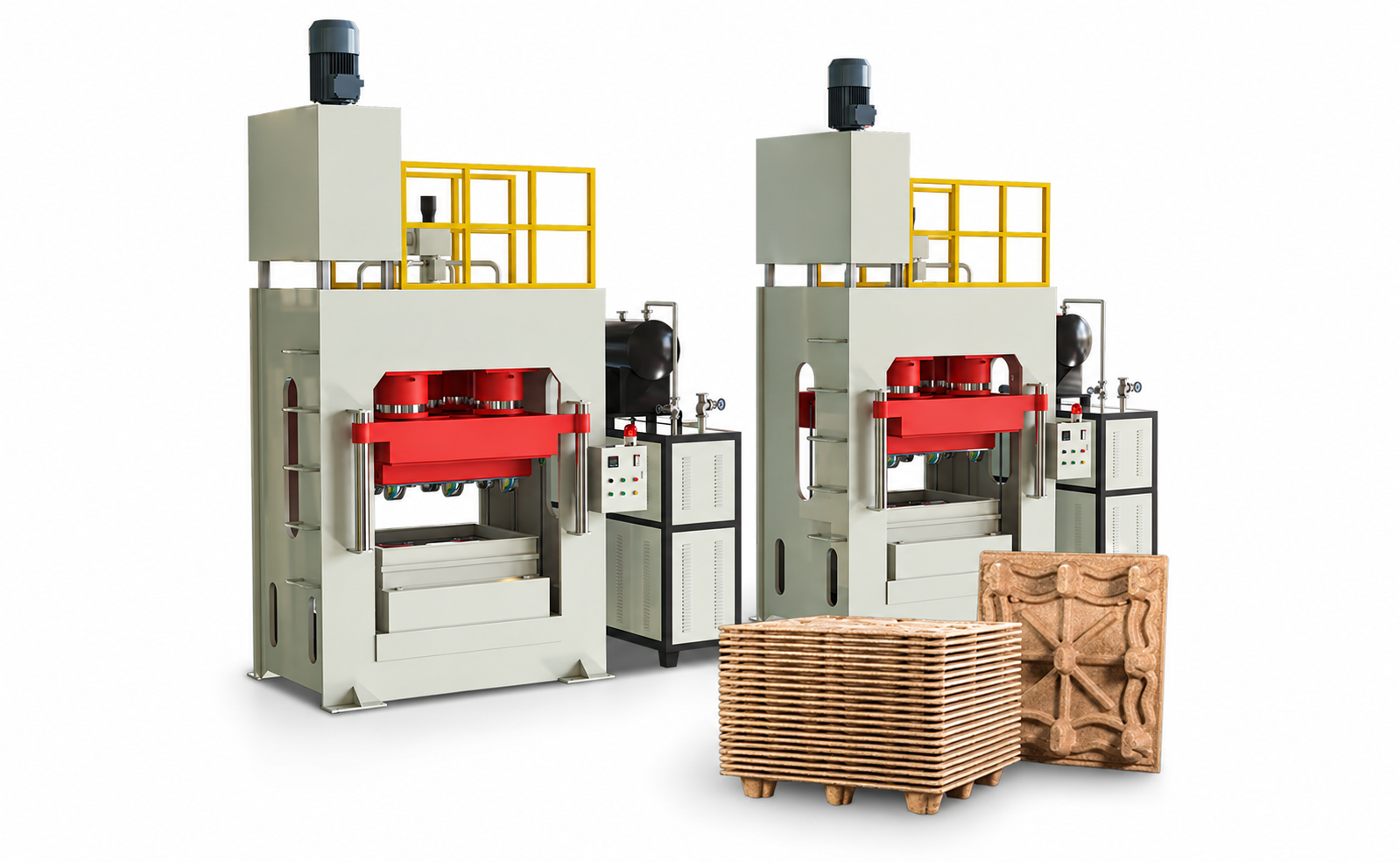
From bottlenecks, existing equipment, and available downtime windows, we outline partial upgrades and a phased plan that fits the plant you already run.

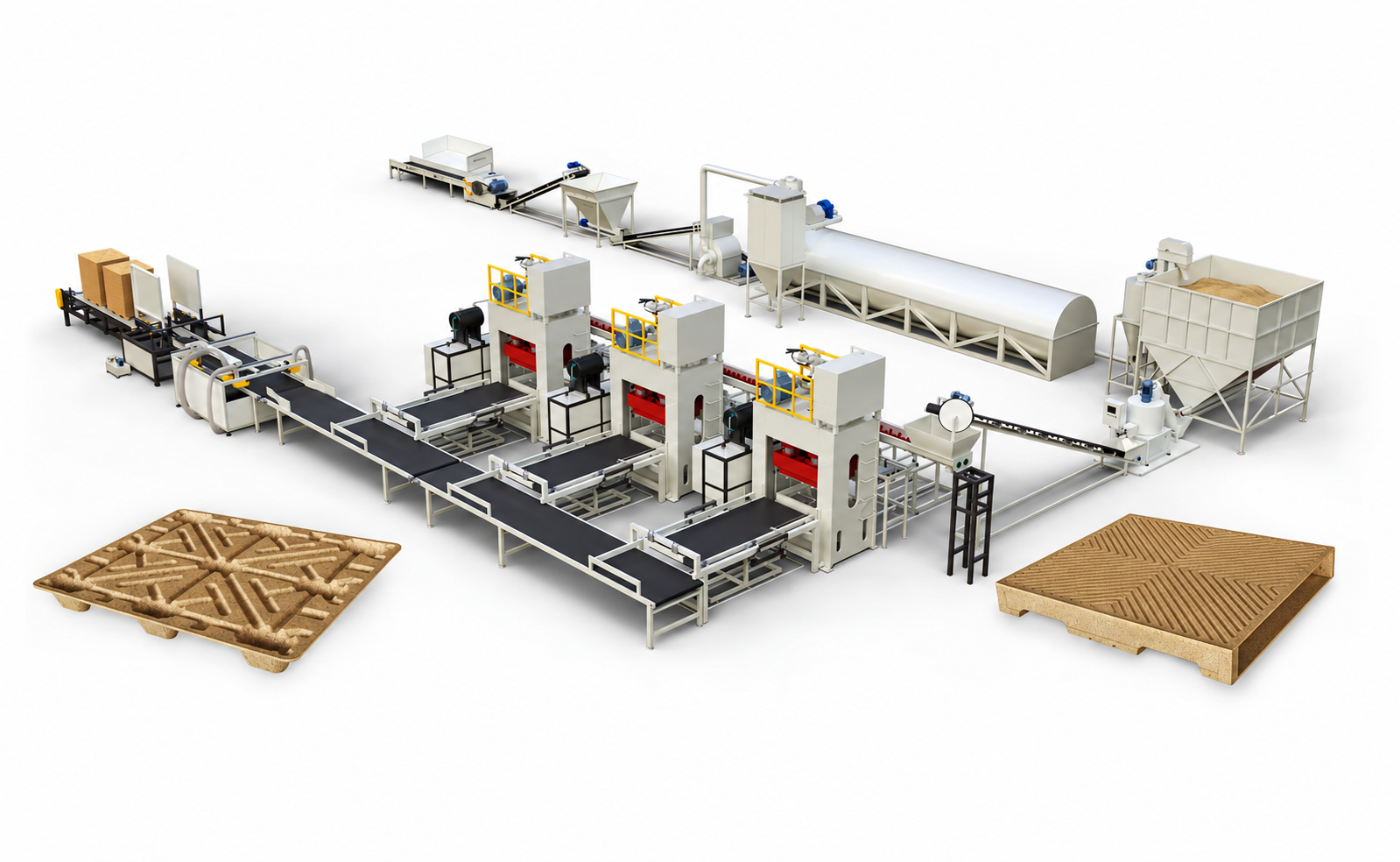
Catalog illustration of hydraulic molding presses on a production floor.
Catalog reference

Common problems

  • Capacity or cycle time stalls at one or two stations.
  • Key steps still depend on unstable manual work.
  • Machine interfaces are unclear, so the upgrade scope keeps expanding.
  • Full automation is attractive, but a semi-automatic step may be the realistic first move.

Assessment

  • Map material flow and process handoffs against the installed equipment list.
  • Mark bottleneck and quality-variation points, then compare partial upgrade options.
  • Weigh semi-automatic vs. staged automation against labor skill, utilities, and shutdown windows.
  • Draw a this-phase boundary and a later-phase sequence—without assuming a full autonomous line.

Initial deliverables

  • A status and constraint note for the current line.
  • Upgrade-scope sketch and interface notes at evaluation level.
  • Equipment and control configuration suggestions for the agreed phase.
  • A phased question list for the next technical discussion.

What you should provide

  • Host and auxiliary machine list, age, and photos or short videos.
  • Bottleneck description, product mix, and target output / shift pattern.
  • Quality issue samples, plant utilities, floor loading, and acceptable downtime windows.
  • Preferred timeline and budget band if already known (optional).

Evaluation support only unless a separate engineering package is agreed. Full-line automation is not the default recommendation.

Product realization

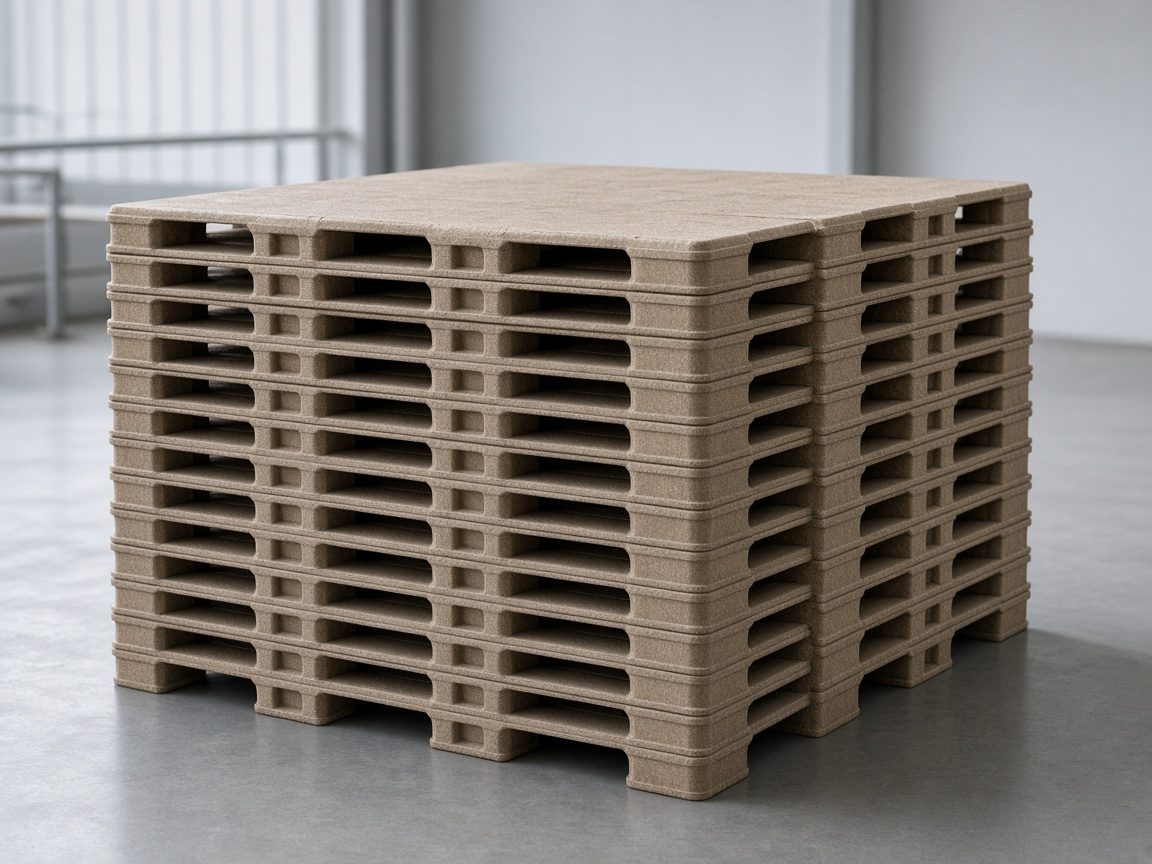
From an order, drawing, or sample, we frame the process route, equipment set, trial samples, and a unit-cost structure for qualified parts—tied to local material and site conditions.

Catalog view of molded pallets as a target product example.
Catalog reference

Common problems

  • An order or sample exists, but stable production is still undefined.
  • Drawings and manufacturability do not yet align.
  • Local feedstock quality may or may not meet the part specification.
  • Equipment choice and available floor space pull in different directions.

Assessment

  • Break the product into process steps from preparation through molding and handling.
  • Check feedstock and formulation feasibility against the required performance.
  • Match equipment combinations to target capacity and site utilities.
  • Build a qualified-part unit-cost framework (material, energy, labor, tooling amortization cues)—not a guaranteed lowest price or margin.

Initial deliverables

  • Process route description with boundary conditions.
  • Recommended equipment combination and open interfaces.
  • Sample / trial-production step suggestions.
  • An evaluation-level input list and unit-cost framework for qualified parts.

What you should provide

  • Sample, drawing, or key dimensions and performance targets.
  • Order volume or capacity target and delivery window if known.
  • Available feedstock notes and any existing machines.
  • Site layout, power / heating conditions, and inspection requirements.

Cost figures stay at framework level until material trials and site data are confirmed. Profitability is not promised on this page.

Resource utilization

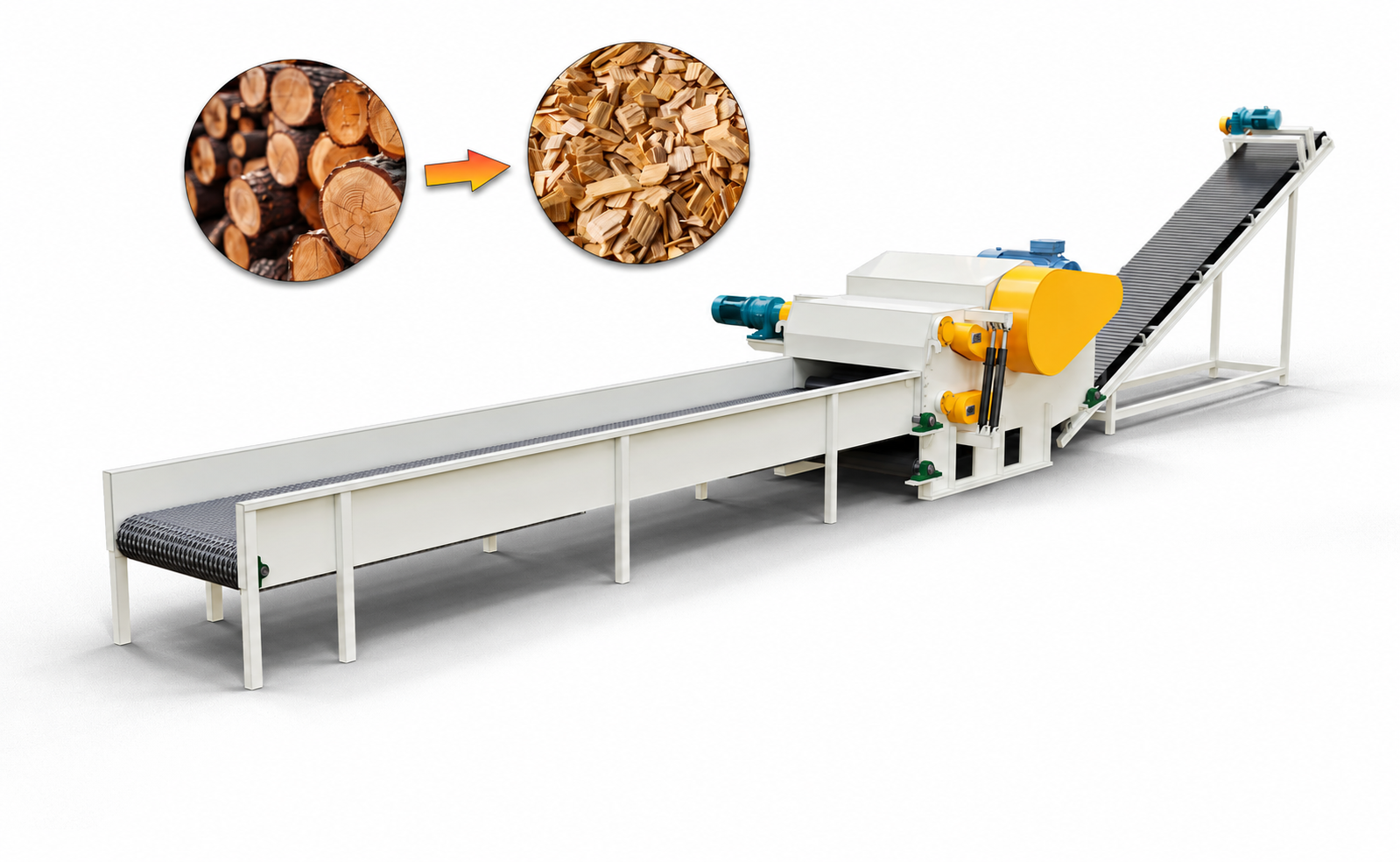
From feedstock stability and impurity profile, we screen candidate products and separate technical sample work from buyer validation tasks.

Catalog illustration of wood-based feedstock preparation.
Catalog reference

Common problems

  • Residues or bulk feedstock are available, but the product direction is unclear.
  • Upstream and downstream links are fragmented, with no agreed technical path.
  • Teams want to avoid launching a product on assumption alone.

Assessment

  • Review feedstock type, supply stability, moisture, and impurity risks.
  • Build a shortlist of candidate molded products that fit the material envelope.
  • Flag missing data and split work into: ready to evaluate / needs technical sample / needs buyer validation.
  • Converge after parallel pre-checks instead of treating market opportunity as a delivered promise.

Initial deliverables

  • Candidate direction comparison with key risks.
  • Technical feasibility notes and impurity / stability caveats.
  • A task list that separates lab / process samples from buyer-side validation.
  • A handoff into product-realization evaluation when a direction is selected.

What you should provide

  • Feedstock sample or detailed indicators (type, moisture, impurity).
  • Monthly supply range and price band if available.
  • Any end-use or buyer clues already in hand.
  • Site utilities and the pace of investment you can support.

Candidate screening is a joint research step. Market opportunity language on this page describes a shared question, not a guaranteed business outcome.

Discuss your production needs

Share your current constraints and product goal so we can outline the next evaluation step.

Start project inquiry →

Discuss your project with UFK

Share your target product, existing equipment or available feedstock. A drawing, equipment list or material description can help us assess the next step.
You can also email info@ufkglobal.com. No form data is stored by this page.